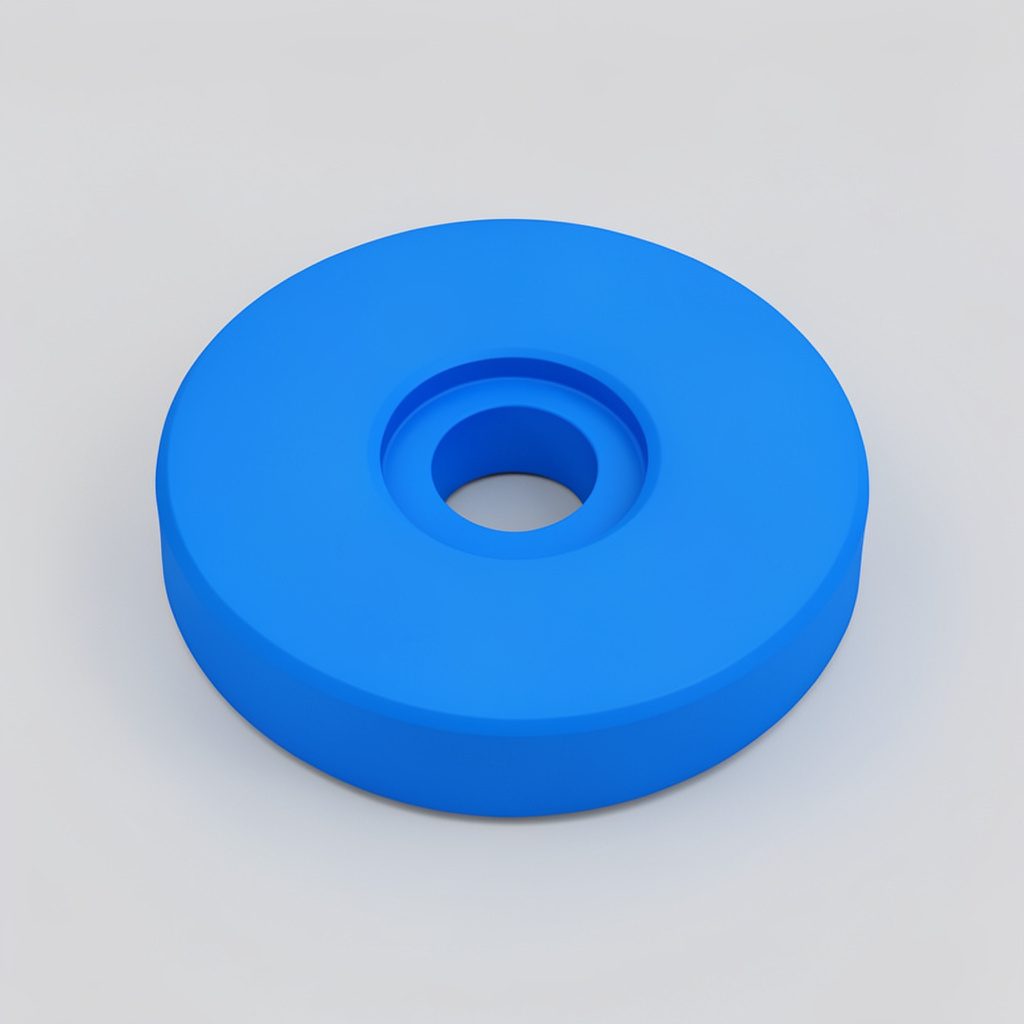
Bronze Diamond Grinding Wheel
Metal-bond wheels with high impact resistance, used where rough stock removal and a durable wheel body are needed.
Diamond Grinding Wheels
Diamond grinding wheels in bronze, resin, ceramic and electroplated bonds, built for hard alloy, glass, ceramics, gems and other hard materials.
Full product catalog Request a pricelistEach family is produced in different structures and concentrations, so a wheel can be matched to the workpiece material and the removal rate required by the line.
Metal-bond wheels with high impact resistance, used where rough stock removal and a durable wheel body are needed.
Resin-bond wheels offering a smooth finish and good profile retention for precision work on hard materials.
Ceramic-bond wheels with a friable abrasive grain, suited to hard, brittle workpieces such as glass and ceramics.
Thin nickel-coated wheels with a single-layer diamond layer, used for precision grinding and high-accuracy dressing.
Our wheels are supplied for industries including magnetic materials, ceramics, glass, cemented carbide, silicon wafers, crystals, auto parts and electronics. Featured resin bond diamond and CBN grinding wheels are also produced for paper cutting knives.
Talk to our team about your material and tolerance or browse diamond cutting discs.
Diamond grinding wheels are supplied in bronze, resin, ceramic and electroplated bonds, each suited to a different set of working conditions. The wheel families listed here cover a broad range of applications, from rough stock removal on hardened metal to fine finishing passes on glass, ceramics and gemstones. Because every bond behaves differently, wheels are produced in varied structures and concentrations rather than in a single universal shape. Selecting the right configuration for a given machine and material is what keeps a grinding line consistent, whether the goal is aggressive cutting rate, a good surface finish, or a longer working life per wheel.
Bronze-bond wheels use a metal matrix and are valued for their high impact resistance, making them a natural choice when heavy stock removal and a durable wheel body are required. Internal grinding wheels and centerless grinding wheels fall into this broader catalogue of precision tools, along with resin-bond, vitrified ceramic and electroplated options that suit finer, more delicate work. Each family can be tailored in shape, size and concentration, so a customer working with carbide, titanium, glass or another hard material can specify a wheel that matches both the workpiece and the removal rate their process demands.
The catalogue also includes auxiliary tooling such as parallel wheels, cup wheels, forming wheels, blades and knives for sharpening applications, supported by a range of standard designations including common internal grinding wheel shapes. Where a standard item does not fit, wheels can often be produced to drawing or adapted from an existing sample, which helps users who work with unusual geometry or specialised equipment. Resin and electroplated wheels are frequently chosen where a thin, sharp cutting edge or a cool, low-glare grinding action matters, particularly in applications such as carbide knife grinding and edge work on hard materials.
Working with an experienced manufacturer of diamond wheels and CBN tooling generally starts with the workpiece, the machine and the required removal rate, since these three points together determine the bond, structure and concentration. A full product catalogue and a pricelist request are available for those comparing options, and inquiry handling is part of the standard service for both standard catalogue items and custom specifications. Buyers who are unsure how a wheel will behave on their own equipment can describe the application in general terms and receive guidance on the most appropriate family to trial.

Parallel, cup & ring, peripheral and internal profiles.
Wheel performance depends on how the abrasive layer is built and how the diamond concentration is adjusted.
| Type | Bond / structure | Typical application |
|---|---|---|
| Bronze diamond grinding wheel | Metal bond, various grain structures | Hard alloy, glass, ceramics, gems |
| Resin diamond grinding wheel | Resin bond, adjustable concentration | Precision finishing of hard materials |
| Ceramic diamond grinding wheel | Ceramic bond, friable grain | Glass, ceramics, silicon wafers |
| Electroplated diamond grinding wheel | Nickel layer, single diamond layer | High-accuracy grinding and dressing |
| Internal / centerless grinding wheel | Matched to machine geometry | Internal surfaces and centerless lines |
Concentration is adjusted by changing the diamond volume in the abrasive layer: a lower concentration gives a more open, faster-cutting wheel, while a higher concentration gives a denser, more durable wheel with a finer result. Fine adjustments are made through the grain size, structure and dressing method chosen for the workpiece.
Send us the workpiece material, wheel shape and size, and the process step you need to run, and we will recommend the bond type, grit and concentration accordingly.
Contact Xinghua Diamond Read technical articles